Hi there, welcome to Walking-with-a-purpose.com
When I started this website a couple of years ago, it was focused on getting me to the Appalachian trail, to walk for suicide awareness and for my own Mental health.
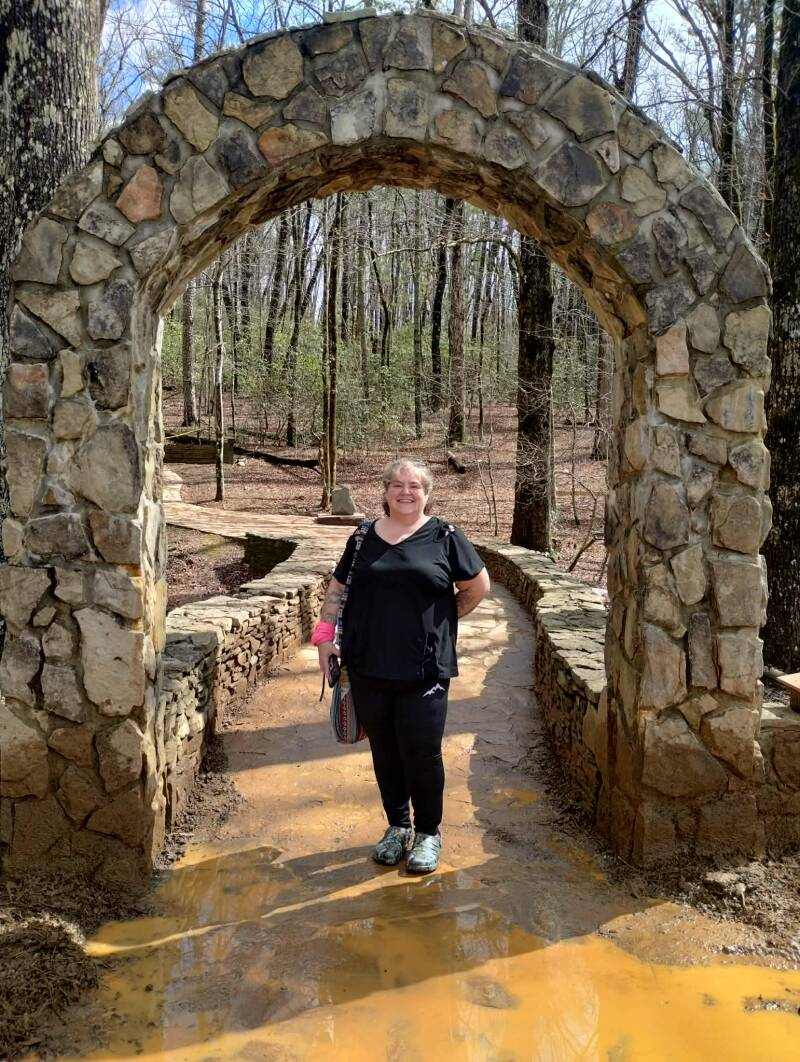
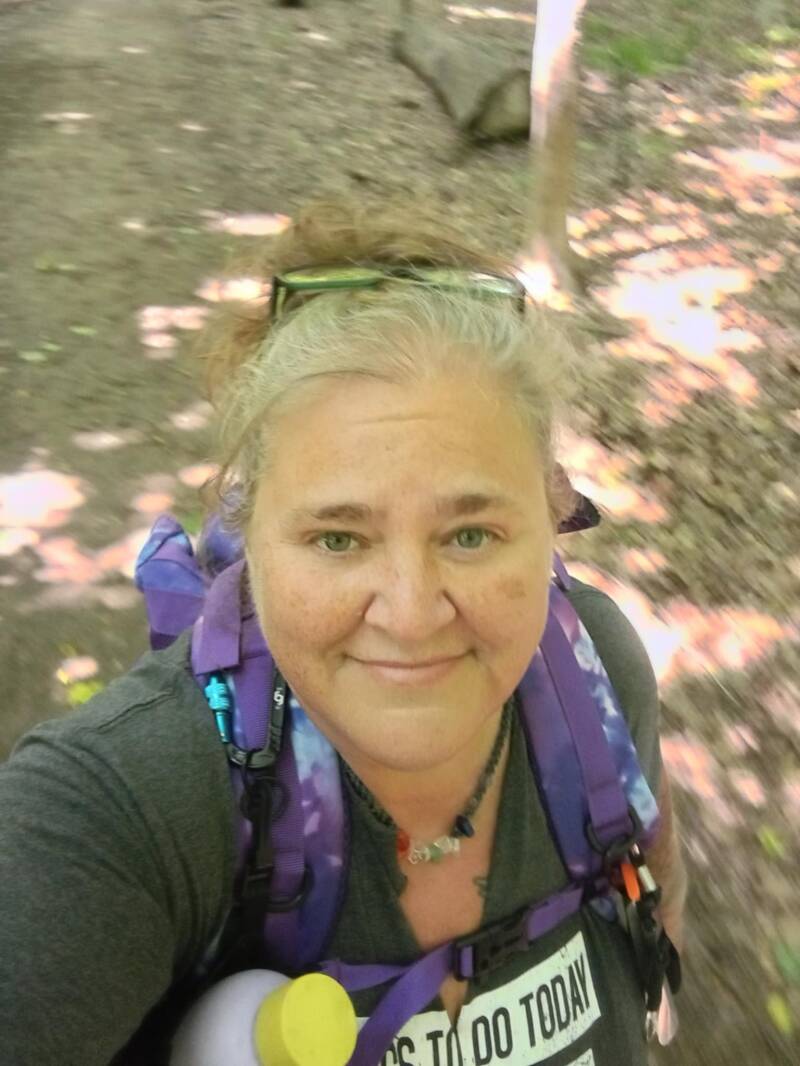
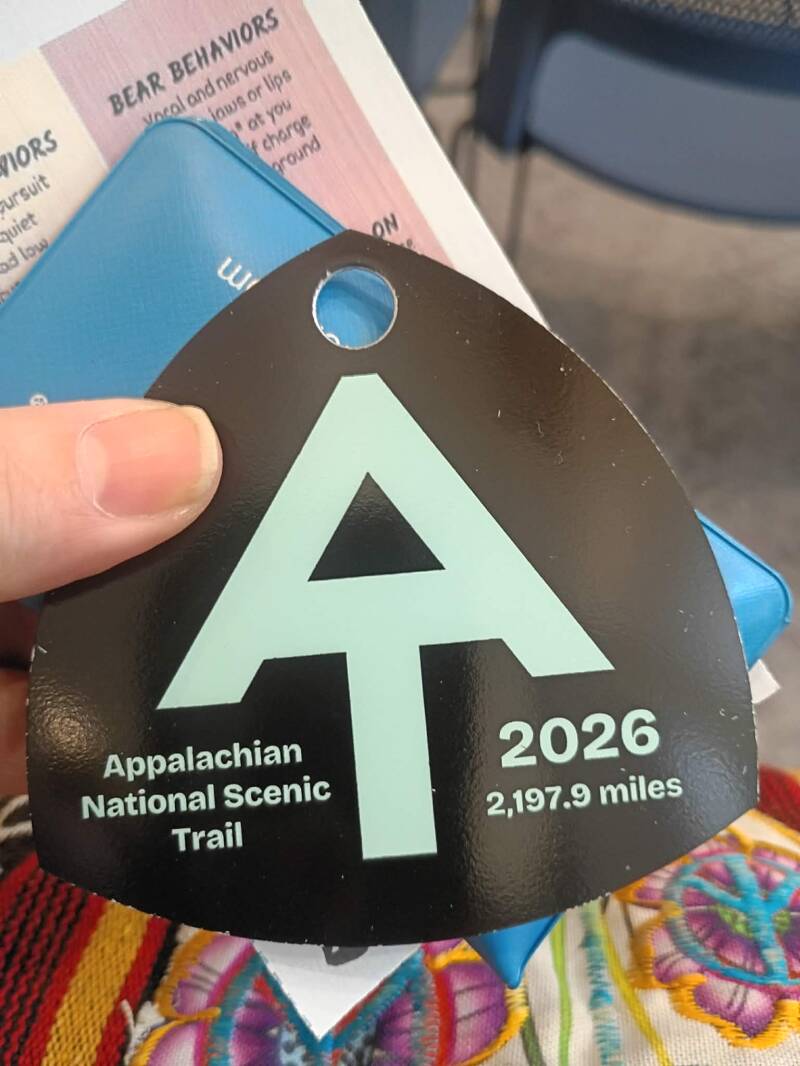
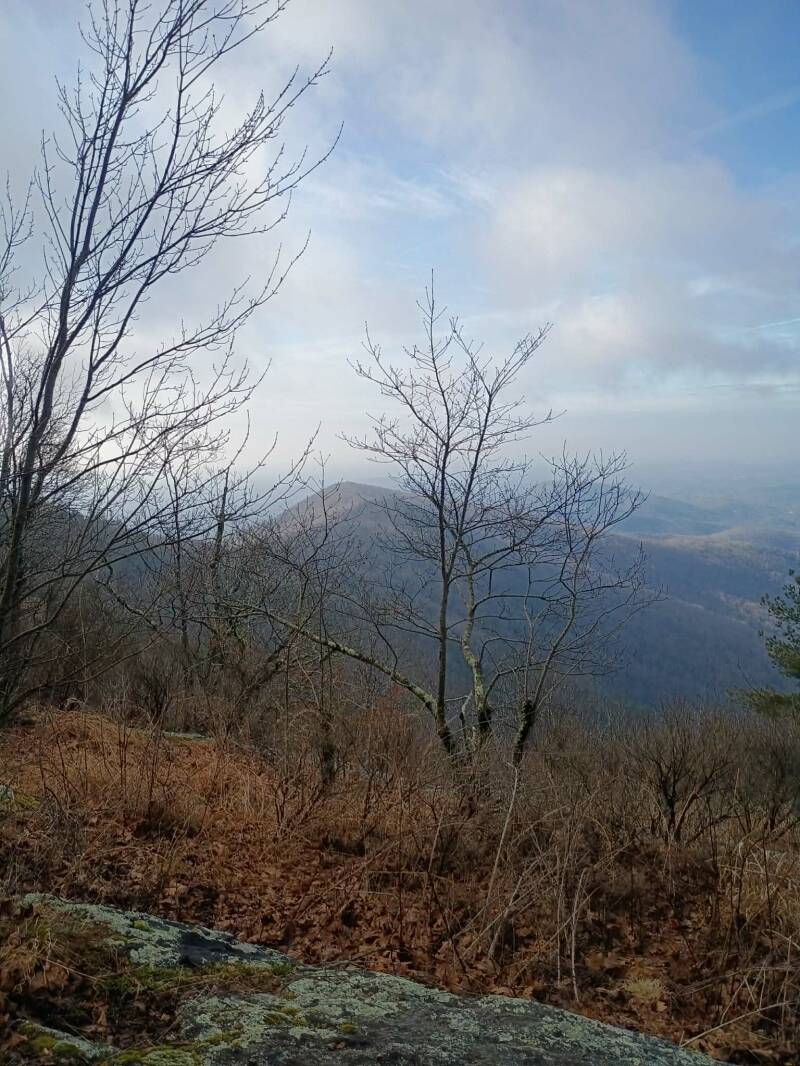
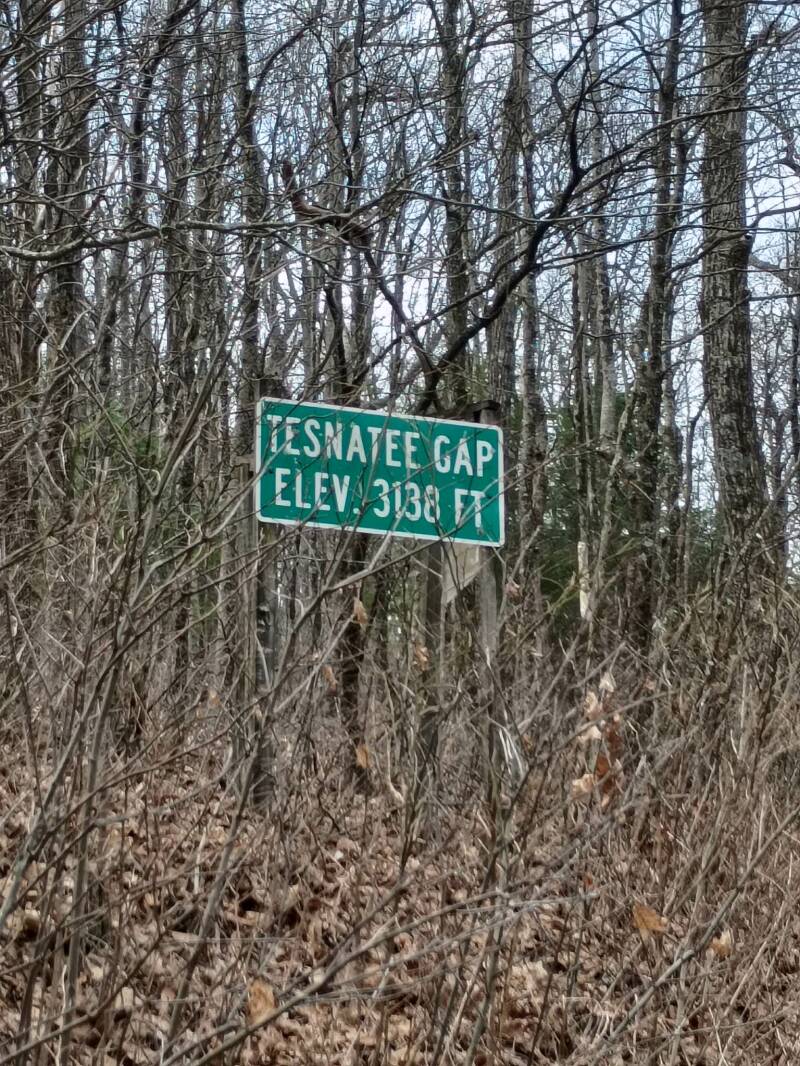
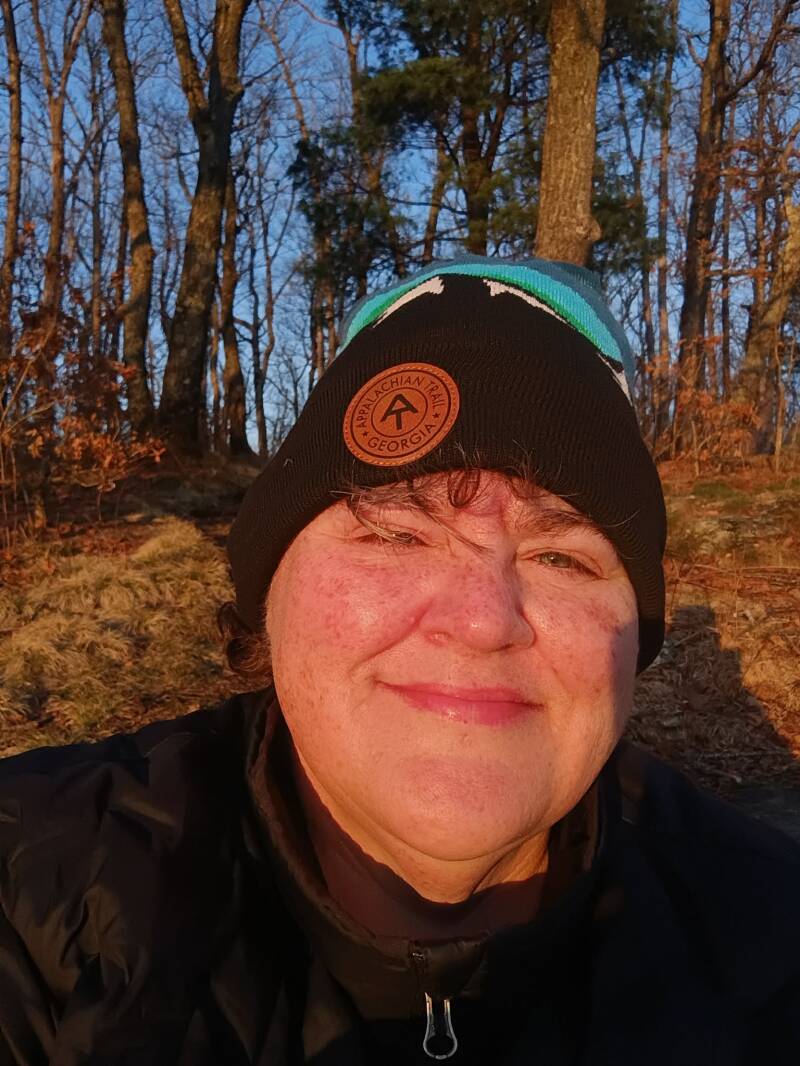
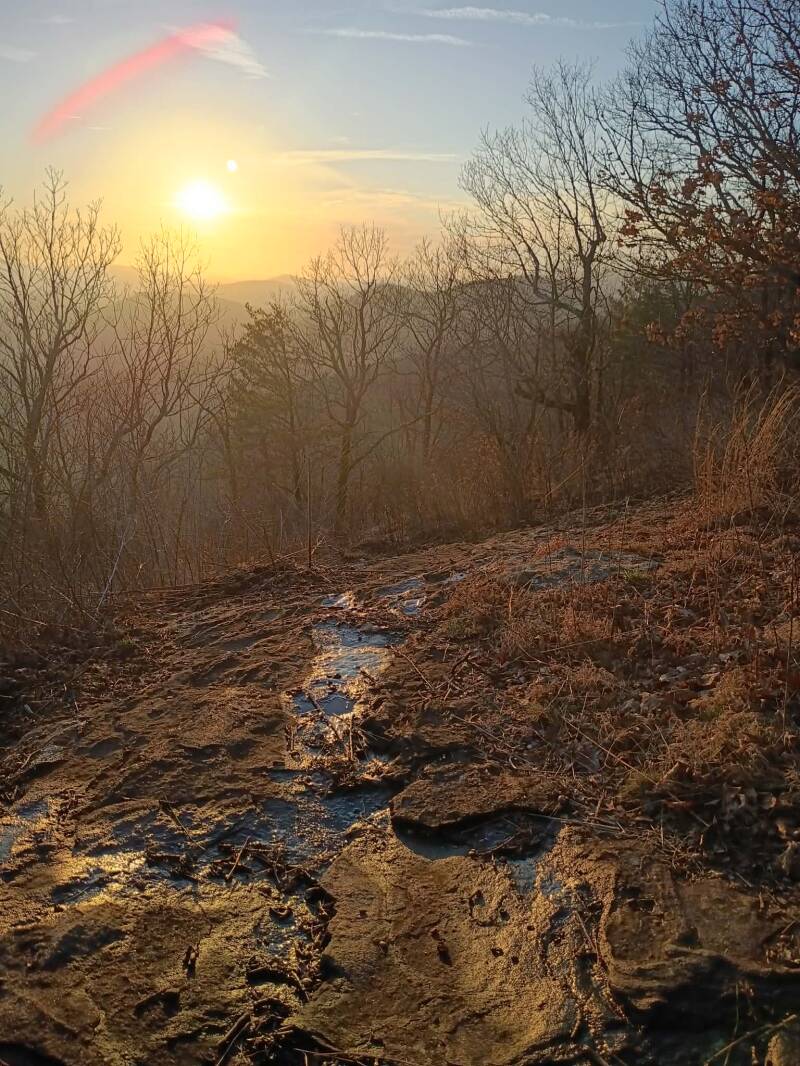
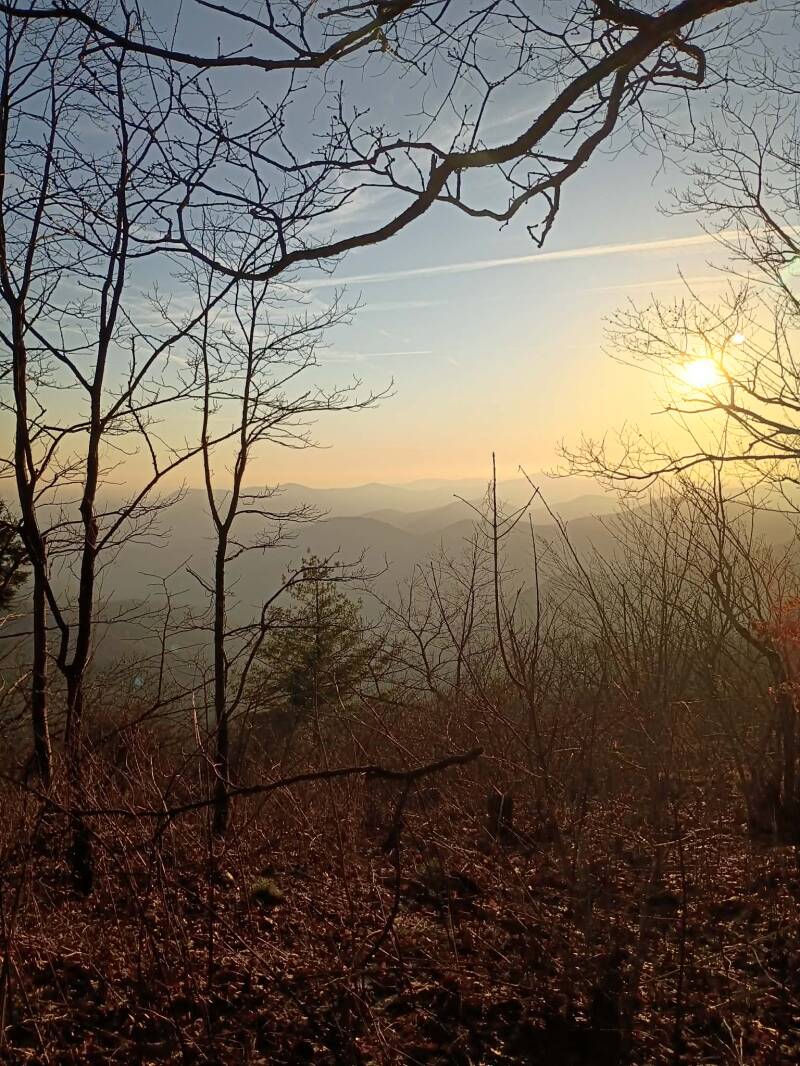
Well Feb 27th, 2026, I set out from Springer Mountain, North Bound on the Appalachian trail.
My first mistake, I started sick. I vomited all the way from Kentucky to Georgia, and even the next day, I wasn't feeling great. But the rental car had to be back, and I had no choice but to try. So I took off, hiking, and feeling horrible. That night in the shelter, my stomach wasn't done with me, and let's just say, I lost some clothes.
But I decided to keep going. Trying my best to get my body to adapt to the altitude, the thin mountain air, and the rugged terrain.
I went as far as I could, every sip of water just hit my stomach and came right back up and out. I couldn't eat anything while I hiked. So I just became weaker and couldn't go on. The fear of injury was real, as my legs felt like Jell-O after a while , and sharp rocks are hidden under leaf litter everywhere.
So I decided to come home, and shift gears .
From the beginning, I've wanted to grow Walking with a purpose into something bigger... I want it to be a place people can come to for help. Where they can get information without ridicule and understanding without shame.
I've added some new ideas ... Not only do I want to take people in need, on weekend camping/ survival retreats, I want to lead Shinrin Yoku " forest bathing" sessions, to help improve mental and overall health.
I've recently taken some classes and can't wait to be able to share this knowledge with others.
I will also be doing guided day hikes, weekend camping and survival skills excursions.
I can't wait to be able to take what I know and help others.
Here is some great Information on how Nature, Shinrin Yoku, Camping and learning survival skills can help cure depression and anxiety and improve mental and physical health .
(This information was generated by AI... Using chat GPT)
Reconnecting with the Earth—through practices like Shinrin-yoku (forest bathing), hiking, camping, and wilderness skills—is not just spiritual or philosophical.
A large and growing body of research in neuroscience, psychology, and physiology shows that time in natural environments directly changes the brain and body systems involved in depression and anxiety.
Below is a comprehensive scientific explanation of how and why nature can literally “rewire” a depressed brain.
1. What Depression Does to the Brain
To understand how nature helps, you first need to understand what depression does biologically.
Major depression is associated with changes in several brain systems:
Overactive Stress System
Depression often involves chronic activation of the HPA axis (hypothalamic–pituitary–adrenal axis), which produces the stress hormone cortisol.
Long-term high cortisol:
damages hippocampal neurons
disrupts sleep cycles
reduces emotional regulation
increases inflammation
2. Reduced Neurotransmitters
Depression is linked to lower levels of:
Serotonin (mood stability)
Dopamine (motivation and reward)
Oxytocin (connection and bonding)
3. Brain Structure Changes
Brain imaging shows:
Reduced hippocampus volume
Overactive amygdala (fear center)
Underactive prefrontal cortex (decision-making and emotional regulation)
4. Inflammation and Immune Dysregulation
Depression is also associated with chronic inflammation and altered immune function.
B2. How Nature Reverses These Changes
Nature exposure affects multiple biological systems simultaneously, which is why it can feel so powerful.
2.1 It Reduces Cortisol and the Stress Response
Forest environments significantly lower stress hormones.
A meta-analysis of forest-bathing studies found salivary cortisol levels consistently dropped in forest environments compared with urban environments. �
(PubMed)
Research shows:
cortisol drops 12–16% within 15–40 minutes of forest immersion
sympathetic (“fight-or-flight”) nervous activity decreases
parasympathetic (“rest-and-heal”) activity increases. �
Health Crunch
This shift moves the body from survival mode to healing mode.
2.2 It Increases Serotonin and Other Mood Chemicals
Studies show that forest bathing increases serotonin levels, improves sleep, and reduces fatigue—changes associated with reduced depressive symptoms. �
(PubMed)
Other research shows increase in:
Oxytocin (connection, safety)
IGF-1 (neuroplasticity)
positive mood states. �
(PubMed)
These chemicals directly counter the neurochemical imbalances seen in depression.
2.3 It Activates the Parasympathetic Nervous System
The autonomic nervous system has two modes:
Sympathetic
fight or flight
anxiety
vigilance
Parasympathetic
rest and repair
healing
emotional balance
Forest immersion increases parasympathetic activity by ~55% while reducing stress-response activity. �
(Health Crunch)
This is why people often feel deep calm after time in the woods.
3. Forest Environments Contain Biologically Active Compounds
Trees release natural chemicals called phytoncides.
These compounds:
boost immune cell activity
reduce inflammation
calm the nervous system
Simply breathing forest air exposes the body to these compounds, which researchers believe contributes to the measurable physiological effects of forest bathing. �
(Health Crunch)
This is one reason forests often produce stronger effects than urban parks.
4. Nature Restores Cognitive Function
Another major mechanism is explained by a psychological model called Attention Restoration Theory.
Modern life constantly demands directed attention:
phones
work
traffic
noise
social media
This exhausts the brain.
Natural environments instead engage soft fascination:
wind in trees
water flow
bird movement
rustling leaves
This allows the prefrontal cortex to recover, improving:
attention
creativity
memory
emotional regulation. �
Brain Facts
5. Movement in Nature Multiplies the Benefits
Hiking and wilderness activity combine several therapeutic mechanisms at once:
Physical exercise
Exercise alone increases:
dopamine
serotonin
brain-derived neurotrophic factor (BDNF)
Sensory immersion
Nature activates all five senses:
smell of soil and trees
sunlight exposure
natural soundscapes
visual complexity
Cognitive reset
Nature environments reduce rumination (the repetitive negative thinking common in depression).
6. Wilderness Skills Increase Psychological Resilience
Learning survival skills provides additional mental health benefits
like Self-efficacy.
Learning skills like:
fire building
navigation
shelter building
foraging
creates mastery experiences, which psychologists know are one of the strongest antidotes to depression.
Agency and control
Depression often involves learned helplessness.
Survival training reverses this by reinforcing:
competence
independence
adaptability
Identity transformation
People begin to see themselves not as:
“depressed” but as:
capable
resilient
connected to the land.
7. Sunlight Resets Brain Chemistry
Outdoor exposure increases:
Vitamin D
Low vitamin D levels are strongly linked with depression.
Circadian rhythm regulation
Natural sunlight regulates the brain’s suprachiasmatic nucleus, improving sleep cycles.
Better sleep leads to:
improved mood
better emotional processing
stronger cognitive function.
8. Social Connection in Nature
Group hiking or guided wilderness experiences improve mental health through:
shared hardship
group cooperation
storytelling
collective accomplishment
Humans evolved as tribal outdoor mammals, and many psychologists believe modern environments disrupt this evolutionary baseline.
9. How Much Nature Is Needed?
Studies suggest surprisingly small amounts can help.
Research involving ~20,000 people found that about 120 minutes per week in nature is associated with better health and wellbeing. �
Tom's Guide
Some guidelines recommend:
20-5-3 rule
20 minutes in nature, 3x weekly
5 hours monthly in deeper nature
3 days yearly fully immersed in wilderness. �
(Tom's Guide)
10. Why This Can Feel “Life-Changing”
When someone consistently spends time in nature, multiple biological systems improve simultaneously:
System Effect
Stress hormones - decrease
Serotonin - increase
Oxytocin - increase
Inflammation- decrease
Sleep quality - improves
Immune function - strengthen
Cognitive clarity- increase
Mood - improved
This system-wide reset is why people often report dramatic emotional changes after extended hiking trips or wilderness immersion.
11. Why Hiking and Long Wilderness Trips Are Especially Powerful
Extended hiking (like long-distance trails) adds additional therapeutic factors:
prolonged screen detox
daily sunlight exposure
rhythmic walking meditation
reduced decision fatigue
deep immersion in natural soundscapes
Over weeks or months, these conditions can reshape habits, thought patterns, and emotional responses.
12. Why Many Therapists Now Use “Nature Therapy”
Nature-based therapy programs are growing worldwide, including:
forest therapy programs
wilderness therapy for depression
outdoor trauma recovery programs
These are now considered legitimate complementary treatments in mental health research.
The Big Picture
Humans evolved for millions of years in natural environments, but modern life has moved us indoors, into artificial light, constant stimulation, and chronic stress.
Nature exposure essentially returns the nervous system to the environment it evolved for.
The result is not mystical — it’s biological.
✅ Lower stress hormones
✅ Balanced brain chemistry
✅ Improved immune function
✅ Restored attention and cognition
✅ Increased resilience and self-confidence
All of these together can help rewire the depressed brain toward health.
I hope that with this information, once I'm up and running and able to lead Forest Bathing, Hiking /camping/ and survival skills excursions, that you will look me up and join one of my classes/ excursions.
Together we can beat depression, stop suicide and help everyone who suffers from mental health issues, by reconnecting with nature and finding our true path on earth. Helping one another, one breath, and one step at a time.
God Bless, can't wait to see where this goes .









Create Your Own Website With Webador